

Luanda Accord Grows with Namibia’s Entry as GJEPC and DMCC Advance Toward Natural Diamond Council Membership
The Luanda Accord has expanded with the Republic of Namibia becoming its newest government signatory, while India’s Gem and Jewellery Export Promotion Council (GJEPC) and Dubai Multi Commodities Centre (DMCC) move closer to joining the Natural Diamond Council (NDC).
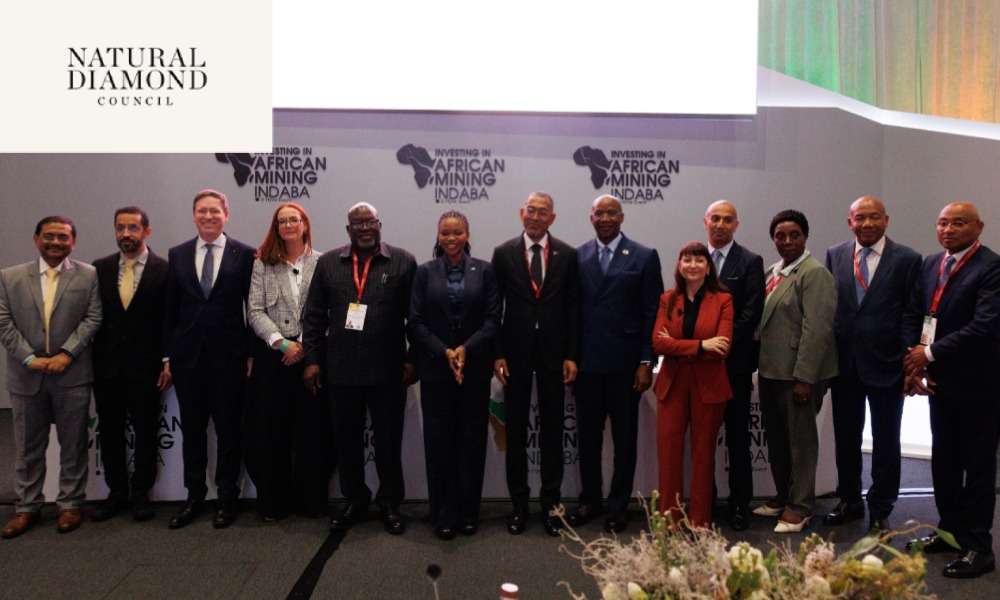
The developments were announced at the second high-level meeting of the Luanda Accord, held alongside African Mining Indaba 2026. The meeting marked a strengthening of collective efforts to support global generic marketing for natural diamonds under the leadership of the NDC.
Launched in June 2025, the Luanda Accord brings together diamond-producing nations and industry stakeholders committed to sustained investment in protecting and promoting the natural diamond category. With Namibia’s formal entry, the Accord now includes Angola, Botswana, the Democratic Republic of Congo and Namibia.
By signing the Accord, Namibia has committed to contributing to global category marketing in line with its principles. The move follows the country’s earlier expression of support and the completion of all necessary governmental approvals. With a diamond industry dating back to 1908, Namibia is currently the world’s fifth-largest diamond producer by value and hosts a significant cutting and polishing sector. Diamonds have long played a central role in the country’s economy, supporting employment, community development and government revenues.
Honourable Modestus Amutse, Namibia’s Minister of Industries, Mines and Energy, said that natural diamonds have shaped the nation’s economic journey for over a century. He added that joining the Luanda Accord reinforces producing countries’ responsibility to tell the true story of natural diamonds and ensure their long-term benefits for future generations.
NDC CEO Amber Pepper described Namibia’s accession as a strong signal of leadership from a major producing nation, noting that collective action is critical to safeguarding the integrity and appeal of natural diamonds.
At the same meeting, GJEPC and the NDC signed a Memorandum of Understanding outlining a pathway for GJEPC to become an NDC member by 1 May 2026, subject to agreement on financial contributions and completion of regulatory requirements. Membership would allow both organisations to collaborate ahead of the 2026 holiday season. The step builds on GJEPC’s signing of the Luanda Accord in June 2025.
Shaunak Parikh, Vice Chairman of GJEPC, said that India’s central role in the global natural diamond value chain makes collaboration essential, emphasising that transparency, cooperation and long-term consumer trust will shape the future of the sector. Amber Pepper added that GJEPC’s move toward membership would further strengthen efforts to communicate the rarity, authenticity and significance of natural diamonds to new generations of consumers.
In addition, DMCC signed a Letter of Intent signalling its intention to become an NDC member by 1 May 2026, reinforcing its support for the objectives of the Luanda Accord. Ahmed Bin Sulayem, Executive Chairman and CEO of DMCC, said the move reflects DMCC’s commitment to supporting the global diamond trade and contributing to the long-term stability of the natural diamond industry. He highlighted the importance of strengthening consumer awareness while ensuring that diamond-producing countries, particularly in Africa, benefit from the value generated.
Amber Pepper welcomed the opportunity to work more closely with DMCC, noting that alignment across industry initiatives would help amplify global efforts to support natural diamonds.
Together, these developments mark a significant step forward for both the Luanda Accord and the Natural Diamond Council, reinforcing their shared mission to protect and promote the integrity, desirability and enduring value of natural diamonds worldwide. The Accord’s signatories and the NDC continue to urge all participants across the diamond value chain to support sustained, collective investment in building long-term consumer demand.